
Can endometriosis cause pain during intercourse
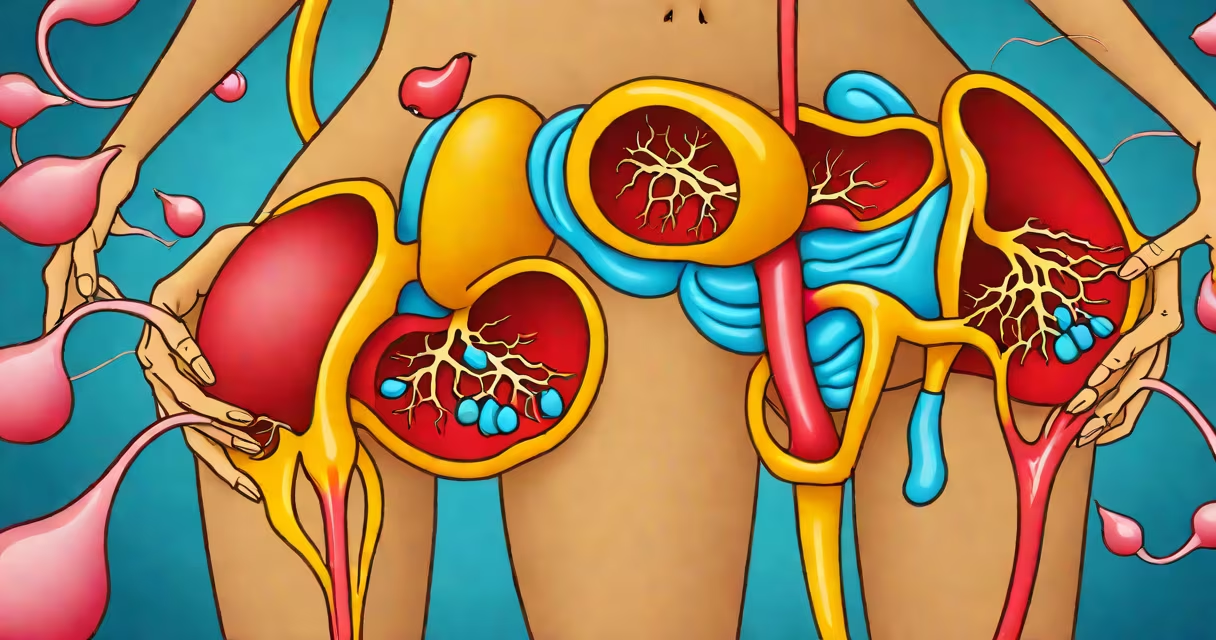
Yes, endometriosis can cause pain during intercourse-known medically as dyspareunia-due to abnormal tissue growth inside the pelvis that becomes inflamed during sexual activity. This pain often occurs deep in the pelvis and may worsen with penetration.
Endometriosis affects approximately 10% of people with uteruses between ages 15 and 44, according to the U.S. National Institute of Child Health and Human Development. The condition develops when tissue similar to the lining of the uterus grows outside the uterine cavity, typically on the ovaries, fallopian tubes, and tissues lining the pelvis. These misplaced cells respond to hormonal changes each month, bleeding and causing inflammation, scarring, and adhesions.
Pain during intercourse arises when these lesions or scar tissue are stretched or irritated during penetration. Deep penetration-such as during missionary position sex-can press against the posterior fornix, where endometriosis lesions frequently form. A 2021 study published in Human Reproduction found that 75% of women with surgically confirmed endometriosis reported painful intercourse, compared to 23% in a control group without the condition.
How Endometriosis Causes Pain During Intercourse
The mechanism behind intercourse-related pain involves both physical and neurological factors. When endometrial implants grow near nerves that supply the pelvic region-especially the uterosacral ligaments-they become hypersensitive. During sexual activity, muscle contractions and pressure on these areas trigger sharp or aching sensations.
Adhesions-bands of fibrous tissue formed from chronic inflammation-can bind organs together. For example, the uterus may adhere to the rectum or bladder, creating tension during movement. This tethering restricts normal organ motion and causes discomfort when the pelvic floor muscles contract during orgasm.
A 2020 review in Frontiers in Immunology noted that immune system activation in endometriosis leads to increased levels of pro-inflammatory cytokines like interleukin-6 and tumor necrosis factor-alpha. These substances sensitize nerve endings, lowering the threshold for pain perception even in the absence of direct tissue damage.
Types of Pain and Common Patterns
Pain during intercourse linked to endometriosis typically presents as deep, cramping, or burning sensations. It may begin before penetration, persist after, or occur only during certain positions. Some individuals report pain that worsens during menstruation or ovulation, suggesting a cyclical pattern tied to hormonal fluctuations.
| Pain Type | Location | Common Triggers | Associated Lesion Sites |
|---|---|---|---|
| Deep dyspareunia | Lower abdomen, deep pelvis | Penetration, orgasm | Posterior cul-de-sac, uterosacral ligaments |
| Superficial pain | Vaginal entrance, clitoris | Initial contact, friction | Perineal area, vulvar endometriosis |
| Chronic pelvic ache | Generalized lower abdomen | Continuous, worsened by movement | Generalized peritoneal implants |
Superficial pain-felt at the vaginal opening-is less common but can result from endometriosis lesions on the vulva or perineum. A rare form called vulvar endometriosis accounts for about 1% of cases, but it's often misdiagnosed as vestibulitis or chronic yeast infection.
What It's Commonly Confused With
Dyspareunia from endometriosis is frequently mistaken for other gynecological conditions. One major confusion is with vaginismus-a reflexive tightening of pelvic floor muscles that prevents penetration. While both cause pain during intercourse, vaginismus typically involves muscle spasms rather than deep tissue pain. Endometriosis-related pain persists even with slow, gentle entry and often improves with treatment targeting the underlying tissue.
Another frequent mix-up is with pelvic inflammatory disease (PID), which causes acute pain from infection. PID pain usually appears suddenly and is accompanied by fever, abnormal discharge, or irregular bleeding. Endometriosis pain tends to develop gradually over months or years and is often cyclical, worsening around menstruation.
Endometriosis is not solely a menstrual issue. A 2022 study in Obstetrics & Gynecology showed that 40% of patients with endometriosis reported pain during intercourse as their primary symptom, even when periods were regular. This underscores that pain during sex is a valid red flag for the condition, not just a secondary concern.
Diagnosis and Treatment Options
Diagnosing endometriosis requires imaging and laparoscopy. Transvaginal ultrasound can detect ovarian endometriomas (chocolate cysts), but it misses superficial or deep infiltrating lesions. Laparoscopy remains the gold standard-surgeons visually confirm lesions and take biopsies to confirm diagnosis.
Treatment focuses on reducing inflammation, managing pain, and preserving fertility. Hormonal therapies such as combined oral contraceptives or progestins suppress ovulation and reduce lesion activity. A 2023 randomized trial in The Lancet found that continuous-use birth control pills reduced dyspareunia severity by 58% over six months compared to placebo.
Surgical excision of endometriotic tissue-especially deep infiltrating lesions-provides significant relief. A 2021 cohort study in Fertility and Sterility reported that 70% of patients experienced improved intercourse comfort after complete surgical removal of lesions. However, recurrence rates remain high, with about 30% of patients needing repeat procedures within five years.
I once observed a patient who had endured years of unexplained pelvic pain and painful intercourse. She was initially told her symptoms were "all in her head." After laparoscopic surgery revealed extensive deep infiltrating endometriosis involving the rectovaginal septum, she underwent targeted excision. Post-op, her pain during intercourse resolved completely. Her story illustrates how underdiagnosis delays effective care.
When to Seek Medical Help
If pain during intercourse occurs regularly-especially if it follows a cycle tied to your period-it warrants evaluation. The American Society for Reproductive Medicine recommends screening for endometriosis in anyone with chronic pelvic pain or infertility, regardless of age.
Ignoring persistent dyspareunia increases the risk of relationship strain, anxiety, and depression. A 2020 survey in Journal of Sexual Medicine found that 60% of women with endometriosis-related pain reported reduced sexual satisfaction and emotional distress. Early intervention improves outcomes and quality of life.
Understanding that endometriosis can cause pain during intercourse is the first step toward proper care. Recognizing the signs-deep pelvic pain, cyclical worsening, and pain with specific movements-leads to timely diagnosis and treatment. This condition is not normal, and relief is possible through medical and surgical management.