
What Is Morbidly Obese
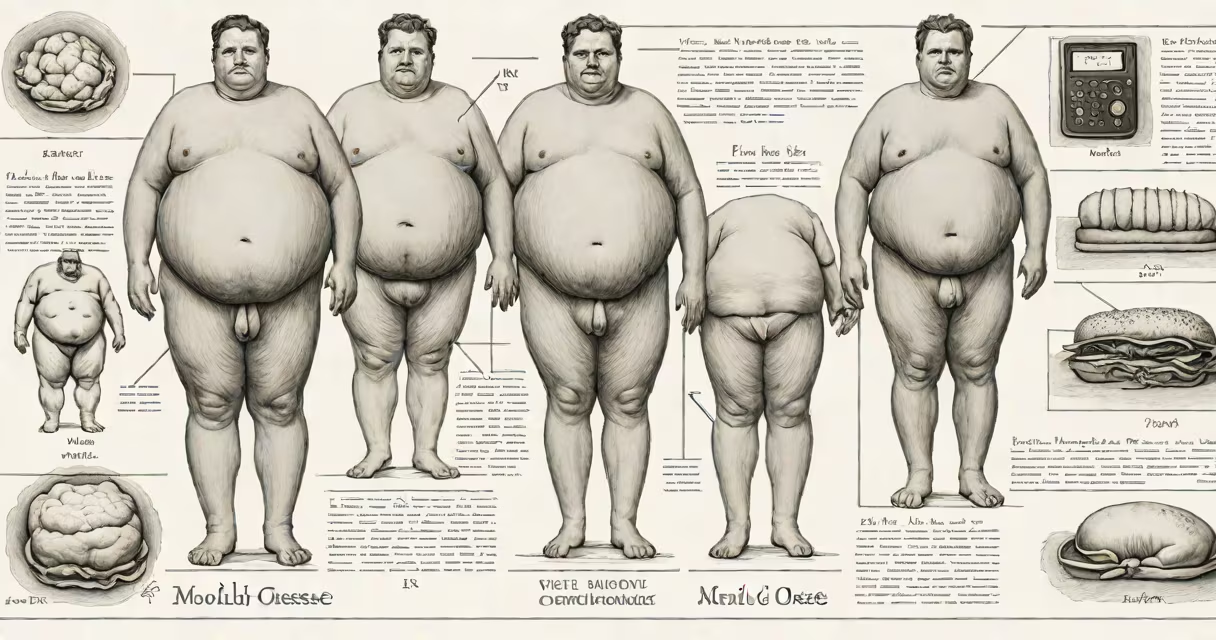
Morbidly obese refers to a body mass index (BMI) of 40 or higher, indicating a severe level of excess body fat that increases the risk of life-threatening health conditions. This classification is used clinically to identify individuals who face substantial medical complications due to their weight.
BMI is calculated by dividing a person's weight in kilograms by the square of their height in meters. A score of 40 or above places someone in the morbid obesity category, which is distinct from general obesity (BMI 30-39.9). The term "morbid" here reflects the serious health consequences, not emotional distress.
The National Institutes of Health (NIH) defines morbid obesity as a condition requiring specialized medical evaluation and often intervention such as bariatric surgery. According to the Centers for Disease Control and Prevention (CDC), about 9% of U.S. adults meet this threshold, with higher rates among certain demographic groups.
How Morbid Obesity Is Determined
BMI remains the standard screening tool for obesity severity, though it doesn't measure body fat directly. It estimates adiposity based on height and weight. For example, a person who is 5 feet 6 inches tall (1.68 meters) and weighs 275 pounds (124.7 kg) has a BMI of 43.7, placing them in the morbidly obese range.
Healthcare providers may supplement BMI with waist circumference, body composition analysis, or metabolic testing. A waist measurement over 40 inches for men or 35 inches for women adds evidence of visceral fat accumulation, which correlates strongly with insulin resistance and cardiovascular disease.
Not all individuals with high BMI have the same health profile. Some people with high muscle mass may have elevated BMI without excess fat. Conversely, others with normal BMI can carry dangerous levels of internal fat. This is why clinical assessment includes medical history, lab results, and physical examination-not just numbers.
Types and Categories of Obesity
Obesity is classified into four tiers based on BMI. Morbid obesity is the highest tier, following Class 1 (30-34.9), Class 2 (35-39.9), and Class 3 (40+).
| BMI Range | Category | Health Risk Level |
|---|---|---|
| 18.5-24.9 | Normal weight | Low |
| 25.0-29.9 | Overweight | Increased |
| 30.0-34.9 | Class 1 Obesity | High |
| 35.0-39.9 | Class 2 Obesity | Very high |
| ≥40.0 | Morbid Obesity | Extremely high |
Class 3 obesity, or morbid obesity, is associated with a 50% increased risk of premature death compared to those with normal BMI, according to a 2021 study published in JAMA Internal Medicine. The risk escalates further with each additional 5 BMI points above 40.
Common Misconceptions and Clarifications
Morbidly obese is not synonymous with "extremely overweight." While both describe high weight, "morbid" implies clinical significance tied to disease risk. A person can be very heavy without meeting the BMI threshold for morbid obesity.
Another misunderstanding is that morbid obesity only affects people who eat poorly or lack willpower. Research shows genetics, socioeconomic factors, and environmental influences play major roles. The CDC notes that nearly half of adults with morbid obesity live below the poverty line, highlighting systemic barriers to healthy eating and physical activity.
A lesser-known fact: some individuals with morbid obesity have normal blood pressure and cholesterol levels. This does not reduce their risk. A 2019 study in Obesity Reviews found that even metabolically healthy individuals with BMI ≥40 had a 3.2-fold higher risk of developing type 2 diabetes over 10 years compared to those with normal BMI.
Health Risks and Medical Impact
Individuals classified as morbidly obese face dramatically increased odds of chronic illness. Type 2 diabetes, heart disease, sleep apnea, osteoarthritis, and certain cancers are all linked to this condition.
For example, a 2020 meta-analysis in The Lancet Diabetes & Endocrinology showed that people with BMI ≥40 were 6.5 times more likely to develop obstructive sleep apnea than those with normal BMI. This condition disrupts breathing during sleep and raises the risk of stroke and heart failure.
Joint degeneration is another major concern. A person weighing 300 pounds exerts approximately 900 pounds of force on their knees with each step. Over time, this leads to cartilage breakdown and early-onset osteoarthritis. The Arthritis Foundation reports that morbidly obese individuals are twice as likely to require knee replacement surgery by age 60.
Treatment and Management
Weight loss interventions for morbid obesity typically involve a combination of dietary changes, behavioral therapy, medication, and surgery. Bariatric procedures such as gastric bypass or sleeve gastrectomy are recommended for patients with BMI ≥40 or ≥35 with significant comorbidities.
In a clinical trial published in New England Journal of Medicine, participants with morbid obesity who underwent gastric bypass lost an average of 31% of their initial body weight over two years, with 70% achieving remission of type 2 diabetes. These outcomes are not seen consistently with diet-only approaches.
I once observed a patient in a primary care clinic whose BMI was 42. He had uncontrolled hypertension and prediabetes. After six months of structured nutrition counseling and metformin, his weight dropped by 12 pounds. But his blood pressure remained elevated. His provider referred him to a bariatric center, where he underwent laparoscopic sleeve gastrectomy. Within a year, his BMI fell to 32, and his medications were discontinued.
Recovery timelines vary. Most patients lose 50-70% of excess weight within 12-18 months post-surgery. Long-term success requires lifelong adherence to nutritional guidelines and regular follow-up.
When to Seek Medical Evaluation
If your BMI is 40 or higher, or if you have a BMI between 35 and 39.9 with conditions like sleep apnea, joint pain, or heart disease, consult a healthcare provider. Early intervention improves outcomes and reduces complications.
Morbidly obese is not a lifestyle label-it is a clinical diagnosis with measurable health consequences. Recognizing it early enables timely, effective treatment and better long-term outcomes.