
ethos meaning in literature
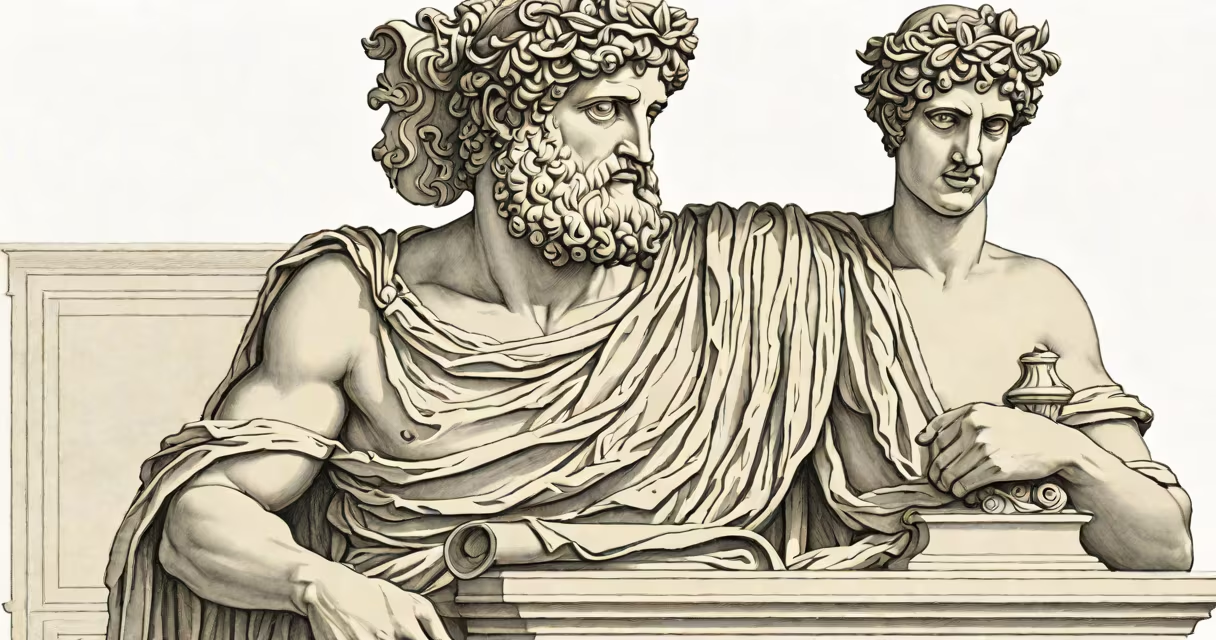
ethos meaning in literature describes how an author establishes credibility and authority with their audience through tone, word choice, and perceived expertise. It is one of the three classical rhetorical appeals, alongside pathos and logos, and functions as the foundation of persuasive power in written work.
When a writer uses ethos effectively, readers perceive them as trustworthy, knowledgeable, or morally grounded. This perception influences how seriously the audience takes the argument or narrative. A well-crafted ethos makes the reader willing to accept the author's perspective even before the evidence is presented.
For example, in Harper Lee's *To Kill a Mockingbird*, Atticus Finch speaks with calm precision, avoids emotional outbursts, and references legal precedent. His consistent demeanor and use of formal language build a strong sense of ethical authority. Readers trust him not because he says something dramatic, but because his voice feels measured, fair, and informed.
How ethos works in narrative and argument
ethos operates by shaping the reader's impression of the speaker or narrator. It doesn't rely on facts or emotion-it relies on reputation, consistency, and perceived integrity. The more aligned the narrative voice is with values like fairness, honesty, and competence, the stronger the ethos becomes.
Authors create ethos through deliberate choices: the level of formality, the use of technical language, references to established institutions (like courts or universities), and the way characters speak about themselves or others. A narrator who admits limitations or shows humility often gains more credibility than one who claims perfection.
Consider the opening lines of George Orwell's *1984*: "It was a bright cold day in April, and the clocks were striking thirteen." The precise, detached tone signals a world governed by logic and surveillance. The narrator's lack of emotional commentary builds a sense of objective authority, reinforcing the novel's theme of state control. This is ethos in action-not persuasion through passion, but through reliability.
Types of ethos in literature
There are three primary ways ethos manifests in literary texts:
| Type | Description | Example |
|---|---|---|
| Authorial ethos | The writer's perceived expertise or moral standing. Built through tone, style, and narrative control. | Chimamanda Ngozi Adichie's *Purple Hibiscus* uses a young narrator's reflective voice to convey cultural insight and personal growth. |
| Narrative ethos | The credibility of the story's teller-whether first-person, omniscient, or limited third person. | In *The Great Gatsby*, Nick Carraway presents himself as honest and reserved, which shapes how readers interpret events. |
| Character ethos | The perceived integrity of a character within the story. Influences how readers judge their actions. | Atticus Finch in *To Kill a Mockingbird* earns respect through consistent moral behavior, even when unpopular. |
These types aren't mutually exclusive. A single character can embody multiple layers of ethos-such as a protagonist who is both formally educated and personally humble, reinforcing their trustworthiness.
Common misunderstandings about ethos
Many confuse ethos with emotional appeal (pathos) or logical reasoning (logos). But ethos is distinct: it's about trust, not feeling or proof. A character crying during a speech may evoke sympathy (pathos), but their credibility comes from how they're presented-whether they've earned the audience's respect through past actions or consistent judgment.
A frequent error is assuming that a formal tone automatically creates ethos. That's not true. Overly ornate language can alienate readers or suggest pretense. The most effective ethos often arises from simplicity and authenticity. As Aristotle noted in *Rhetoric*, "We are more likely to believe someone who seems like us-someone who is neither too lofty nor too common."
Another misconception is that ethos applies only to essays or speeches. In fiction, it's equally important. A novel's success often hinges on whether readers believe the narrator's version of events. If the narrator lacks credibility, the entire story can unravel.
Real-world application: a worked example
Take the opening chapter of Toni Morrison's *Beloved*. The narrative begins with a woman named Sethe, who has escaped slavery. Her voice is fragmented, poetic, and deeply personal. She says: "12:00 p.m. was the time she left. She left with her children, her husband dead, and her milk gone."
Sethe's narration doesn't cite statistics or legal documents. Yet her ethos is useful. She speaks from lived trauma, using intimate details-"her milk gone"-to show she knows suffering firsthand. Her voice isn't polished, but it's authentic. Readers don't question her truth because her pain feels immediate and specific.
This is ethos rooted in experience, not education. It's not about being correct-it's about being believed. The reader trusts Sethe not because she explains herself, but because her words carry weight from history and memory.
Where ethos fails-and why it matters
When ethos collapses, the entire message loses force. A narrator who contradicts themselves, exaggerates, or speaks with arrogance erodes trust. Even a minor inconsistency can damage credibility.
For instance, in *The Catcher in the Rye*, Holden Caulfield frequently calls people "phony," yet he lies about his identity, hides his emotions, and romanticizes rebellion. His self-image as a moral outsider clashes with his actions. This contradiction weakens his ethos. Readers may agree with his critique of society-but they don't fully trust his judgment.
According to the National Council of Teachers of English (NCTE), "Students who analyze ethos learn to assess not just what is said, but who is saying it-and whether they should listen." This skill is essential in both academic reading and everyday media consumption.
As a teacher, I once had students compare two versions of a historical account-one written by a survivor, the other by a government official. The survivor's version lacked formal structure, but its raw detail and emotional honesty created stronger ethos. The official's report was clear and concise, but its detachment made it feel impersonal. Students recognized that credibility isn't always about clarity-it's about connection.
How ethos differs from related concepts
ethos meaning in literature is often confused with tone, style, or narrative perspective. While these elements contribute to ethos, they are not the same. Tone refers to the attitude conveyed-formal, ironic, urgent. Style is the author's unique way of arranging words. Narrative perspective determines whose eyes the story is seen through.
But ethos is the result: the reader's sense of the speaker's reliability. A formal tone may support ethos, but it can also undermine it if it feels artificial. A first-person narrator can have weak ethos if they seem careless or dishonest.
Compare this to the meaning of tone in literature: tone reflects mood and attitude, while ethos reflects trust. One is about feeling, the other about belief. Understanding both helps decode how a text persuades.
Ethos meaning in literature is not about winning arguments-it's about earning attention. When a reader believes the speaker, the message moves beyond words. It becomes part of the reader's understanding of truth, morality, and reality.