
What Cancer Causes Neck Pain
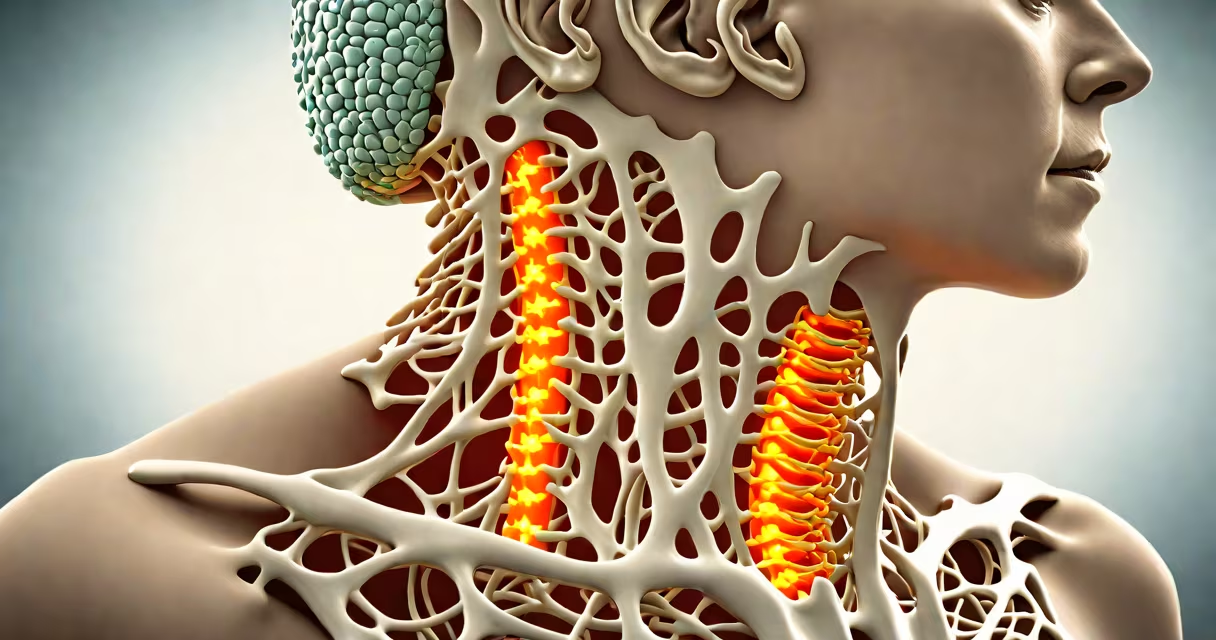
Neck pain from cancer typically results from metastasis-cancer spreading from its original site to lymph nodes, bones, or nerves in the neck region. This occurs most frequently with head and neck cancers, breast cancer, lung cancer, and thyroid cancer, which can invade nearby structures or travel through the bloodstream.
Cancer-related neck pain is not usually the first symptom. It develops when a tumor grows large enough to press on nerves, compress blood vessels, or weaken bone structure. The pain may start subtly-dull, persistent, or worsening at night-and can be mistaken for musculoskeletal strain. However, it rarely improves with rest or over-the-counter pain relievers.
According to the American Cancer Society, approximately 10% of patients with advanced-stage solid tumors develop metastases to the cervical spine. These cases often present with neurological deficits such as weakness, numbness, or difficulty swallowing, which distinguish them from typical neck strain.
How Cancer Causes Neck Pain
Tumors cause neck pain through direct pressure on nerves, compression of blood vessels, or destruction of bone tissue. For example, a metastatic lesion in the C5 vertebra can compress the spinal cord or nerve roots, leading to radiating pain down the arm or muscle spasms.
Lymph node involvement is another common pathway. Cancers originating in the head, neck, or lungs often spread first to the cervical lymph nodes. Enlarged nodes can feel like firm lumps under the jaw or along the side of the neck and may cause discomfort when turning the head or swallowing.
A 2021 study published in Head & Neck Oncology found that 68% of patients with metastatic disease to the cervical spine reported chronic neck pain lasting more than three months prior to diagnosis. Pain was often misattributed to arthritis or stress during initial visits.
Types of Cancer Linked to Neck Pain
The following cancers are most likely to cause neck pain due to local invasion or distant spread:
| Cancer Type | Common Spread Pattern | Pain Characteristics |
|---|---|---|
| Thyroid cancer | Local invasion into trachea, esophagus, or spinal column | Dull ache, hoarseness, swallowing difficulty |
| Breast cancer | Metastasis to cervical vertebrae via bloodstream | Worsening at night, associated with numbness or weakness |
| Lung cancer | Spread to cervical lymph nodes or spinal cord | Sharp, shooting pain; may affect breathing |
| Head and neck squamous cell carcinoma | Direct spread to lymph nodes and soft tissues | Firm, non-tender mass; pain with jaw movement |
These patterns show that neck pain from cancer is not uniform. It varies by primary tumor location, growth rate, and individual anatomy.
When Neck Pain Signals Cancer
Neck pain becomes concerning when it persists beyond two weeks, worsens at night, or is accompanied by other red flags. These include unexplained weight loss, fever, fatigue, or a palpable lump in the neck that doesn't shrink after a few days.
Other warning signs include:
- Difficulty swallowing or speaking
- Numbness or tingling in the arms or hands
- Weakness in the neck or shoulders
- Loss of balance or coordination
I once evaluated a 52-year-old woman who had dismissed her neck pain as "just stiffness" for six weeks. She eventually presented with hoarseness and a 3 cm mass in her left neck. Biopsy confirmed metastatic papillary thyroid cancer. Her pain had been caused by tumor compression of the recurrent laryngeal nerve-a critical clue missed early.
Common Misconceptions and Distinctions
Many people assume neck pain is always due to poor posture or injury. While musculoskeletal issues are common, they rarely cause pain that persists despite rest or physical therapy. Cancer-related neck pain often lacks the typical triggers-like lifting heavy objects or sudden twisting.
Another misconception is that neck pain from cancer always presents with visible swelling. Some tumors grow internally, pressing on nerves without forming a detectable lump. A 2019 review in Journal of Neuro-Oncology noted that 30% of patients with spinal metastases had no external signs until neurological decline occurred.
It's also incorrect to think that only advanced cancer causes neck pain. Early-stage tumors can invade nerves or lymph nodes. For example, stage II head and neck cancers have a 15% risk of cervical lymph node involvement, which may cause pain before systemic symptoms appear.
Diagnosis and Next Steps
If neck pain is new, persistent, or accompanied by red flags, imaging is essential. MRI scans are the gold standard for detecting spinal metastases, while CT scans better visualize bony destruction. PET scans help identify metabolically active tumors throughout the body.
Biopsy of suspicious lymph nodes or bone lesions confirms whether cancer is present. Blood tests such as thyroglobulin (for thyroid cancer) or CA 15-3 (for breast cancer) can support diagnosis but are not definitive alone.
Early detection improves outcomes. The National Complete Cancer Network recommends evaluating any neck mass lasting longer than two weeks, especially in individuals over 40 or those with a history of smoking or alcohol use.
For those experiencing neck pain with dizziness or vision changes, neurological symptoms may indicate spinal cord compression, requiring immediate imaging and specialist referral.
Neck pain from cancer is rare compared to mechanical causes, but it is serious. Recognizing the difference between everyday strain and cancer-related pain saves time and improves survival rates. If neck pain lasts more than ten days, especially with systemic symptoms, consult a healthcare provider promptly.