
What Is a Simplex Virus
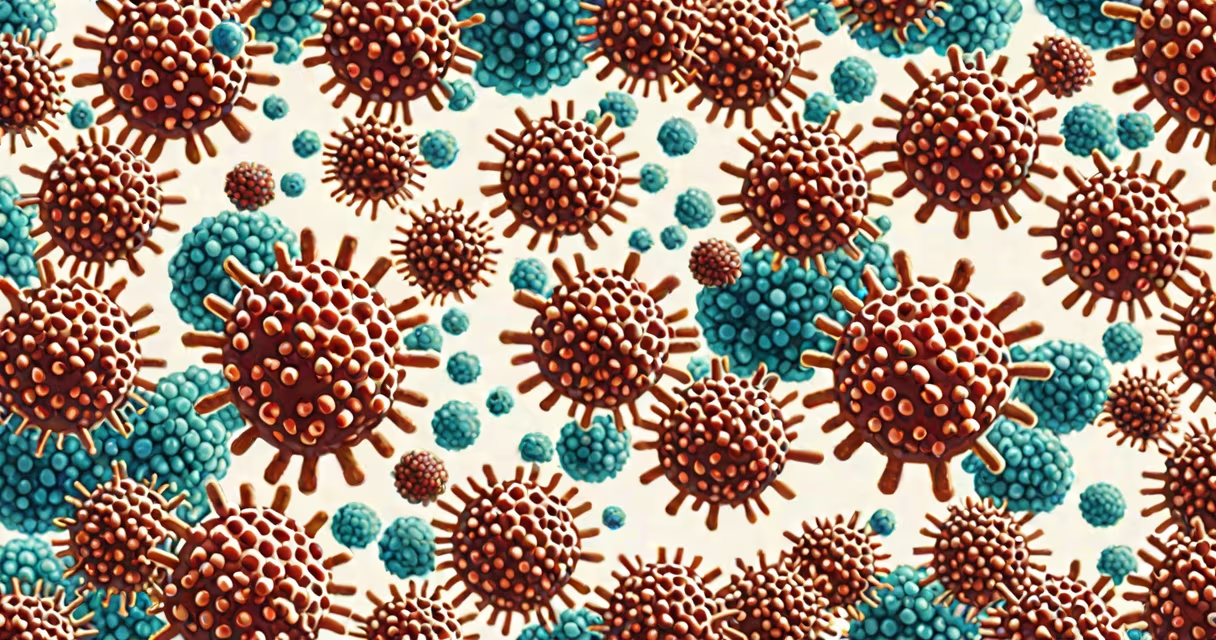
A simplex virus is a member of the herpesvirus family that causes persistent, lifelong infections in humans. These viruses-specifically herpes simplex virus type 1 (HSV-1) and type 2 (HSV-2)-remain dormant in nerve cells after initial exposure and can reactivate under stress or immune suppression.
HSV-1 typically causes oral herpes, manifesting as cold sores around the mouth. HSV-2 primarily causes genital herpes, though both types can infect either site. Once contracted, the virus never leaves the body. It travels along nerves to ganglia-clusters of nerve cell bodies-and lies inactive until triggered by illness, sun exposure, or hormonal changes.
According to the Centers for Disease Control and Prevention (CDC), about 48% of U.S. adults have HSV-1, and approximately 11% have HSV-2. The World Health Organization (WHO) estimates that 3.7 billion people under age 50 carry HSV-1 globally. Transmission occurs through direct contact with infected skin, saliva, or genital secretions-even when no visible sores are present.
How Simplex Viruses Work
When a person encounters a simplex virus, the infection begins at mucosal surfaces or broken skin. The virus enters host cells using surface glycoproteins that bind to receptors on human cells. Once inside, it hijacks the cell's machinery to replicate its DNA and produce new viral particles.
After replication, newly formed viruses exit the cell, often destroying it in the process. This release triggers local inflammation, leading to the formation of blisters or ulcers. The immune system responds by releasing cytokines and activating T-cells, which limit viral spread but cannot eliminate the virus entirely.
Once the acute phase passes, the virus travels retrograde along sensory nerves to dorsal root ganglia. There, it establishes latency-meaning it remains genetically intact but metabolically silent. Reactivation can occur months or years later due to triggers such as fever, surgery, or emotional stress. During reactivation, the virus travels back down the nerve to the skin, causing recurrent lesions.
Types and Forms of Simplex Viruses
There are two primary types of simplex viruses relevant to human health:
| Type | Primary Site of Infection | Common Transmission Route | Typical Symptoms |
|---|---|---|---|
| HSV-1 | Oral region, face | Kissing, sharing utensils, oral sex | Cold sores, fever blisters, gingivostomatitis |
| HSV-2 | Genital area, buttocks | Sexual contact, vaginal or anal intercourse | Genital ulcers, pain during urination, swollen lymph nodes |
Both viruses can cause asymptomatic shedding-meaning the virus is present and transmissible even without visible sores. A 2019 study published in The Journal of Infectious Diseases found that up to 70% of HSV-2 transmission events occur during asymptomatic periods.
Non-obvious fact: HSV-1 is increasingly responsible for genital herpes cases. Data from the CDC shows that since 2000, the proportion of new genital herpes cases caused by HSV-1 has risen from 15% to over 30%, largely due to increased oral-genital contact.
Where and Why Simplex Viruses Are Used in Research
Simplex viruses are not used therapeutically in clinical practice, but they serve as critical tools in biomedical research. Scientists modify HSV-1 to create vectors for gene therapy because of its large genome capacity and ability to infect neurons efficiently.
For example, researchers at the University of Pennsylvania used engineered HSV-1 to deliver functional copies of the SMN1 gene in trials for spinal muscular atrophy (SMA). The virus was modified to remove pathogenic genes while retaining its ability to enter motor neurons and express therapeutic proteins.
Another application involves oncolytic virotherapy-using modified herpesviruses to selectively kill cancer cells. Talimogene laherparepvec (T-VEC), approved by the FDA in 2015, is a genetically altered HSV-1 strain designed to replicate in tumor cells and stimulate an anti-tumor immune response. In melanoma patients, T-VEC improved durable response rates by 16% compared to control treatments.
Common Confusions and Misconceptions
Many people mistake a simplex virus for other sexually transmitted infections (STIs) like chlamydia or HIV. Unlike those pathogens, HSV does not cause systemic disease beyond localized outbreaks. It does not lead to AIDS or infertility directly, though recurrent genital lesions may increase susceptibility to other STIs.
Another misconception is that herpes is always symptomatic. In reality, most people with HSV-1 or HSV-2 never develop noticeable sores. A 2021 meta-analysis in Sexually Transmitted Infections reported that 80% of individuals with HSV-2 were unaware of their infection status prior to testing.
Some believe that antiviral medications cure herpes. While drugs like acyclovir, valacyclovir, and famciclovir reduce outbreak frequency and transmission risk, they do not eradicate latent virus. Daily suppressive therapy can lower transmission by 75%, according to a 2018 randomized trial published in The New England Journal of Medicine.
Firsthand Observation: A Clinical Perspective
I observed a patient during a dermatology rotation who presented with a painful rash on the left side of the neck. He had no history of cold sores but reported recent fatigue and mild fever. A swab test confirmed HSV-1 infection. The lesion pattern matched dermatomal distribution-indicating reactivation in a sensory nerve pathway. After seven days of valacyclovir, the rash resolved completely. This case underscored how HSV-1 can present unexpectedly outside the typical oral location.
Key Takeaways
Simplex virus refers to herpes simplex virus types 1 and 2, which cause chronic, recurring infections. They spread through close contact and remain in the nervous system indefinitely. While often asymptomatic, they can trigger painful outbreaks and transmit even without symptoms. Antiviral treatment manages symptoms and reduces transmission but does not eliminate the virus.