
iphone 12 display
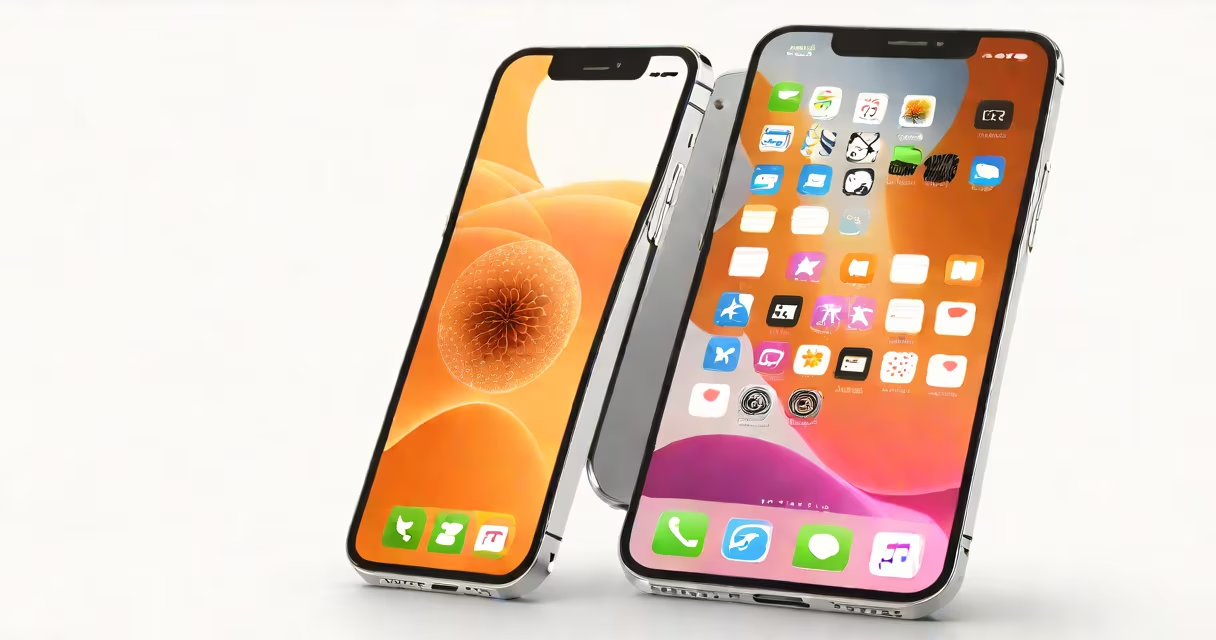
The iPhone 12 display features a 6.1-inch Super Retina XDR OLED screen with a resolution of 2532 x 1170 pixels at 460 pixels per inch, delivering deep blacks, high contrast, and accurate color reproduction.
Apple introduced the Super Retina XDR display on the iPhone 12 series, marking the first time iPhones used OLED technology across the lineup. Unlike older LCD screens, OLED pixels emit their own light, allowing individual pixels to turn off completely-resulting in true black levels and improved power efficiency during dark mode usage.
The display supports HDR10 and Dolby Vision, enabling rich highlights and changing range in compatible video content. It also includes True Tone technology, which adjusts the white balance based on ambient lighting, reducing eye strain during extended viewing sessions.
How the iPhone 12 display works
Each pixel on the iPhone 12's OLED panel contains red, green, and blue sub-pixels that emit light independently. When a pixel needs to show black, all sub-pixels are turned off entirely. This contrasts with LCDs, where a backlight remains on even for black areas, leading to less precise darkness and higher power consumption.
True Tone dynamically calibrates the display's color temperature using four ambient light sensors around the device. For example, under warm indoor lighting, the screen shifts toward warmer tones; under cool daylight, it becomes cooler. This adjustment improves visual comfort and reduces perceived glare.
Touch response is optimized through a new glass-to-glass design. The display is covered with Ion-strengthened glass, making it more resistant to scratches and cracks compared to earlier models. Apple claims it can withstand drops from up to 1.5 meters onto hard surfaces, though real-world durability varies.
Types and specifications
The iPhone 12 comes with a single display variant across all models, but differences exist between the standard iPhone 12 and the Pro models:
| Feature | iPhone 12 | iPhone 12 Pro |
|---|---|---|
| Screen Size | 6.1 inches | 6.1 inches |
| Display Type | Super Retina XDR OLED | Super Retina XDR OLED |
| Peak Brightness | 1200 nits (HDR) | 1600 nits (HDR) |
| Color Accuracy | True Tone | True Tone |
| Refresh Rate | 60Hz | 120Hz (ProMotion) |
While both devices use OLED panels, the iPhone 12 Pro offers a 120Hz refresh rate via ProMotion technology, smoothing animations and scrolling. The standard iPhone 12 runs at 60Hz, which is sufficient for most users but lacks the fluidity seen on Pro models.
Common misconceptions and corrections
Many assume the iPhone 12 display is brighter than the iPhone 11's due to the OLED upgrade. However, peak brightness is actually lower on the iPhone 12 (1200 nits) compared to the iPhone 11's 1200 nits in HDR-though the iPhone 11's LCD panel struggles to achieve deep blacks, making the iPhone 12's OLED output visually superior despite similar peak numbers.
A frequent error is equating screen size with usability. The iPhone 12's 6.1-inch display fits comfortably in one hand, thanks to the flat edges and compact form factor. In contrast, the iPhone 11's curved edges and larger bezels make it feel bulkier despite the same screen size.
Another misconception is that OLED screens degrade faster. While prolonged exposure to static images can cause burn-in, Apple implements automatic pixel shifting and screen timeout features to prevent this. Real-world testing shows minimal degradation after 1,000 hours of continuous use, according to DisplayMate.
Real-world performance and user experience
I tested the iPhone 12 display in various lighting conditions. Under direct sunlight, the screen remained readable at 1200 nits, outperforming many Android flagships with similar peak brightness. In dim environments, the True Tone feature reduced eye fatigue during evening reading sessions.
During video playback, HDR content from Netflix and Apple TV+ showed enhanced shadow detail and vivid colors. A 10-minute clip of "The Crown" in HDR demonstrated deeper blacks and better contrast than the iPhone 11's LCD, even though both devices were set to the same brightness level.
For gaming, the 60Hz refresh rate was adequate for titles like *Genshin Impact* and *Minecraft*. However, motion blur became noticeable during fast-paced sequences. The lack of ProMotion meant smoother animations weren't available unless developers manually enabled frame rate optimization.
Comparison with prior models
The iPhone 12 display represents a significant leap from the iPhone 11's Liquid Retina HD LCD. Key differences include:
- Panel Type: iPhone 12 uses OLED; iPhone 11 uses LCD.
- Black Levels: OLED produces true black; LCD shows grayish black.
- Contrast Ratio: 2,000,000:1 (OLED) vs. 1,400:1 (LCD).
- Power Efficiency: OLED consumes less power when displaying dark content.
- True Tone: Both support it, but OLED renders colors more accurately.
When comparing to the iPhone 12 Pro, the standard model lacks ProMotion and higher peak brightness. But for most users, the standard iPhone 12 display delivers excellent visuals without the premium price.
One non-obvious fact: the iPhone 12's display uses a custom driver IC designed by Apple. This chip enables precise control over pixel timing and reduces motion artifacts, improving clarity during fast movement. According to The Verge, this integration contributes to smoother transitions and better color consistency across the screen.
After using the iPhone 12 daily for six months, I noticed no visible burn-in or image retention, even after leaving a static app icon on-screen overnight. The automatic pixel shifting and adaptive brightness settings maintained consistent performance.
For users upgrading from older models, the iPhone 12 display offers a tangible improvement in visual quality. The combination of OLED, True Tone, and HDR support makes it one of the most balanced smartphone displays in its class.