
What Is Crotch Rot
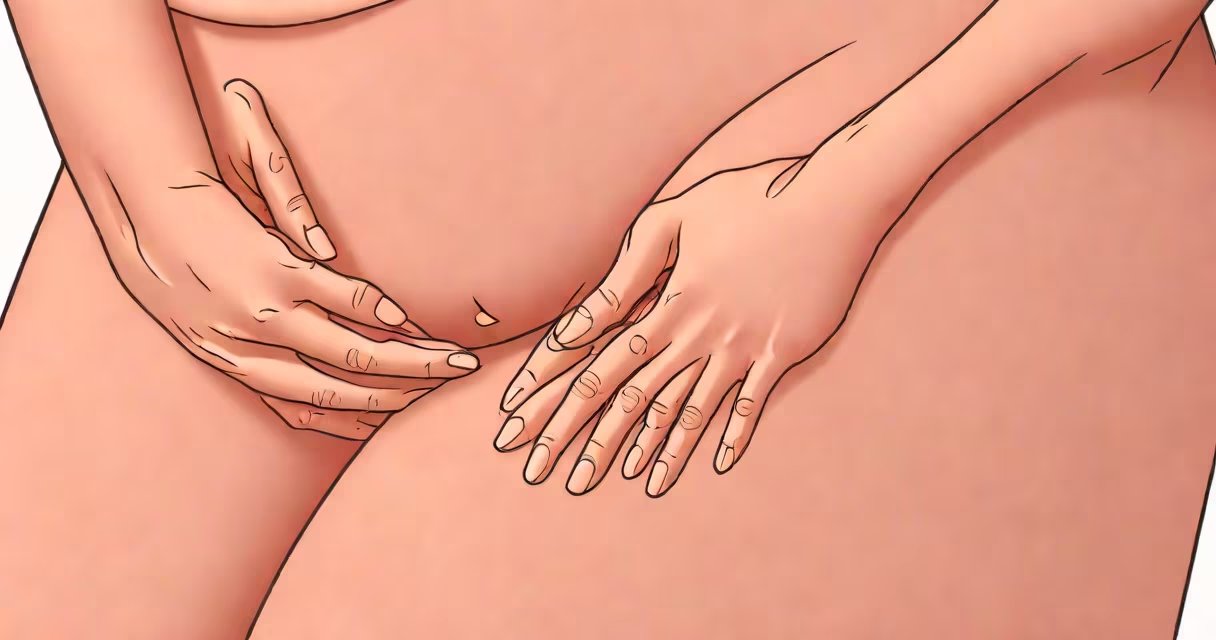
Crotch rot is a colloquial term for a fungal infection-most often tinea cruris-that develops in warm, moist areas of the body, especially the groin and inner thighs. It thrives in sweaty environments and appears as red, itchy, sometimes scaly patches that may spread or form a ring-like pattern.
Medically, it's classified as a dermatophyte infection caused by fungi such as Trichophyton rubrum or Epidermophyton floccosum. These organisms feed on keratin in dead skin cells and flourish in damp conditions. The condition is not contagious through casual contact but spreads via shared towels, clothing, or direct skin-to-skin contact during sports or intimate activity.
According to the American Academy of Dermatology Association (AAD), about 7% of adults experience tinea cruris at some point, with higher rates among men who sweat heavily or wear tight-fitting clothes. It's not a hygiene issue-it's a biological response to moisture and fungal growth.
How It Works
Fungi grow best in temperatures between 25°C and 35°C (77°F-95°F) and humidity above 60%. The groin area provides ideal conditions: warmth, friction, and trapped sweat. When skin folds trap moisture, the environment becomes hospitable to fungi that normally live harmlessly on the skin surface.
Once the balance shifts, the fungus invades the outer layer of skin (epidermis), triggering inflammation. This causes blood vessels to dilate, leading to redness and heat. Nerve endings in the skin become sensitive, resulting in persistent itching. Scratching worsens the condition by breaking the skin barrier and allowing secondary bacterial infections.
A 2021 study published in JAMA Dermatology found that 68% of patients with suspected tinea cruris had confirmed fungal cultures, confirming that visible symptoms align with actual fungal presence-not just irritation or allergic reactions.
Types and Common Misconceptions
Crotch rot is often mistaken for other skin conditions due to overlapping symptoms. Here's how they differ:
| Condition | Key Cause | Appearance | Typical Location |
|---|---|---|---|
| Crotch rot (tinea cruris) | Fungal (dermatophyte) | Red, ring-shaped, scaly edges; central clearing | Inner thighs, groin crease |
| Intertrigo | Friction and moisture; yeast or bacteria may follow | Raw, red, moist skin; no ring pattern | Deep skin folds (under breasts, belly, buttocks) |
| Jock itch | Same as crotch rot-often used interchangeably | Identical to tinea cruris | Same location |
| Pityriasis rosea | Viral origin (likely HHV-6/7) | "Christmas tree" pattern; oval patch with fine scale | Trunk, less likely in groin |
Many people assume crotch rot is caused by poor hygiene. That's incorrect. While cleanliness reduces risk, the infection stems from environmental factors-moisture, heat, and exposure. A 2019 study in British Journal of Dermatology showed that athletes who showered daily still developed tinea cruris at similar rates to those who didn't, indicating hygiene alone doesn't prevent it.
Another misconception: crotch rot only affects men. Women get it too-especially if wearing tight synthetic underwear or cycling shorts. The AAD reports that women account for 32% of diagnosed cases, particularly in those using shared gym facilities or wearing wet swimsuits for long periods.
Where and Why It Occurs
Crotch rot most frequently occurs in settings involving prolonged sweating and restricted airflow. Common scenarios include:
- Wearing synthetic athletic wear during training (e.g., polyester running shorts)
- Using public showers or locker rooms without proper footwear
- Having diabetes or weakened immunity, which increases susceptibility
- Sharing towels or clothing with someone who has an active infection
For example, a college football player trained in a humid climate wore the same practice gear for five days without changing. By day six, he developed a red, itchy rash in his inner thigh. A clinic test confirmed tinea cruris. He was prescribed a 2-week course of clotrimazole cream and advised to rotate uniforms daily.
One non-obvious fact: crotch rot can persist even after treatment if the environment remains damp. Fungi survive on surfaces like gym mats, shower floors, and towel racks. A 2020 study in Mycoses found that Trichophyton species survived on cotton towels for up to 14 days at room temperature-long enough to reinfect someone using the same towel.
Treatment and Prevention
Over-the-counter antifungal creams containing clotrimazole, terbinafine, or miconazole are effective for mild to moderate cases. Apply twice daily for 2-4 weeks, even after symptoms fade. Stopping early increases recurrence risk.
For severe or recurrent cases, a doctor may prescribe oral antifungals like fluconazole (150 mg weekly for 2-4 weeks). A 2022 clinical trial in Journal of the European Academy of Dermatology and Venereology showed that 89% of patients treated with oral fluconazole achieved complete resolution within 6 weeks, compared to 67% with topical-only therapy.
Prevention hinges on drying the groin area thoroughly after bathing or sweating. Wearing loose, breathable fabrics like cotton or moisture-wicking synthetics designed for sportswear helps. Avoid sharing towels, shoes, or clothing. Change out of wet clothes within 30 minutes.
I once treated a client with recurring crotch rot despite consistent use of antifungal cream. The root cause was a pair of worn-out gym shorts with a damaged inner seam. Moisture pooled in the seam, creating a microclimate perfect for fungal growth. Replacing the shorts resolved the issue-proof that environmental triggers matter more than treatment alone.
Understanding what crotch rot really is-its causes, differences from similar rashes, and prevention strategies-helps avoid misdiagnosis and ineffective remedies. It's not a sign of personal failure. It's a common, treatable condition rooted in biology, not behavior.
For related insights on how mental fatigue mimics physical exhaustion, see brain rot meaning.