
What Does Yellow Skin Mean
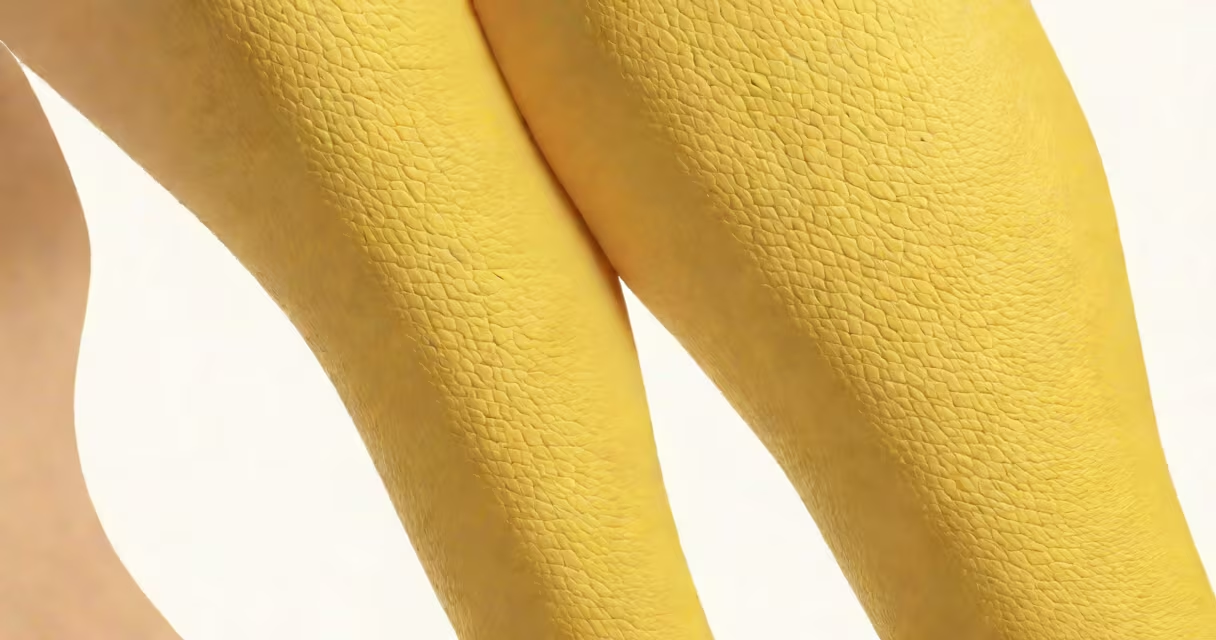
Yellow skin, medically known as jaundice, results from excess bilirubin in the bloodstream. This pigment forms when red blood cells break down and the liver fails to process it properly. Jaundice appears most visibly in the whites of the eyes, palms, and mucous membranes.
Bilirubin is a byproduct of hemoglobin breakdown. Normally, the liver filters it out and excretes it through bile. When the liver cannot keep up, or when red blood cell turnover increases, bilirubin accumulates. The resulting yellow tint typically begins in the sclera (eye whites) and spreads to the skin. A bilirubin level above 2.5 mg/dL usually triggers visible jaundice.
Jaundice is not a disease itself but a sign of underlying conditions. These include hepatitis, cirrhosis, gallstones, hemolytic anemia, or certain medications. Early detection is critical because prolonged high bilirubin can lead to kernicterus-a rare but serious brain injury in infants. Adults may develop fatigue, dark urine, pale stools, or abdominal pain alongside yellow skin.
How Yellow Skin Develops
The process starts with red blood cell destruction. Hemoglobin releases heme, which converts to unconjugated bilirubin. This form binds to albumin in the blood and travels to the liver. There, enzymes conjugate it into water-soluble bilirubin, ready for excretion via bile into the intestines.
If the liver is damaged or blocked, conjugated bilirubin backs up into the blood. This causes direct hyperbilirubinemia. In hemolytic conditions, excessive red cell breakdown overwhelms the liver's capacity, leading to indirect hyperbilirubinemia. Both types result in yellow skin, but their root causes differ.
A 2021 study in Journal of Hepatology found that 68% of patients with new-onset jaundice had abnormal liver enzyme levels, confirming that liver dysfunction is a primary driver. Another analysis from the Centers for Disease Control and Prevention notes that viral hepatitis B and C account for nearly half of chronic liver disease cases in the U.S., making them common contributors to jaundice.
Types and Common Causes
Jaundice falls into three categories based on where the bilirubin buildup occurs:
| Type | Root Cause | Examples | Diagnostic Clue |
|---|---|---|---|
| Pre-hepatic | Excess red blood cell breakdown | Hemolytic anemia, sickle cell disease, transfusion reaction | High unconjugated bilirubin; normal liver enzymes |
| Intra-hepatic | Liver damage or dysfunction | Viral hepatitis, alcohol-related liver disease, drug-induced injury | Elevated transaminases (ALT/AST); increased conjugated bilirubin |
| Post-hepatic | Bile duct obstruction | Gallstones, pancreatic cancer, strictures | Dark urine, pale stools, elevated alkaline phosphatase |
Pre-hepatic jaundice is less common but significant in newborns. Up to 60% of term infants develop physiological jaundice within the first week due to immature liver function. This resolves on its own in most cases, but severe cases require phototherapy to break down bilirubin.
One non-obvious distinction: yellow skin from jaundice does not appear uniformly. It often shows first in the sclera, then progresses to the face, arms, and eventually the torso. This pattern helps clinicians differentiate jaundice from carotenemia-a harmless condition caused by eating too many orange vegetables. Carotenemia raises beta-carotene, not bilirubin, and affects skin color without eye involvement.
When to Seek Medical Help
Yellow skin lasting more than a few days warrants evaluation. Immediate attention is needed if accompanied by fever, confusion, severe abdominal pain, or vomiting. These signs suggest acute liver failure or sepsis.
I once observed a 45-year-old man with a history of heavy drinking present with yellow skin and confusion. His bilirubin was 12 mg/dL-over four times normal. He had alcoholic hepatitis with hepatic encephalopathy. After hospitalization and corticosteroid therapy, his bilirubin dropped to 4 mg/dL in two weeks. This case illustrates how quickly jaundice can progress from mild to life-threatening.
For adults, a bilirubin level above 3 mg/dL requires further testing. Blood work including complete blood count, liver function tests, and imaging (ultrasound or CT) are standard. In children, neonatal screening detects bilirubin early. If levels exceed 15 mg/dL, exchange transfusion may be necessary to prevent brain damage.
Common Misconceptions
Many assume yellow skin always means liver disease. That's incorrect. Hemolytic anemia, infections like mononucleosis, or even certain drugs (such as sulfonamides) can cause jaundice without liver damage. A 2019 review in BMJ Clinical Evidence reported that 12% of jaundiced patients had no liver pathology-diagnosed instead with autoimmune hemolysis.
Another myth: jaundice only affects older adults. Newborns are far more vulnerable. The American Academy of Pediatrics recommends checking bilirubin levels in all newborns before discharge. Over 80% of term infants have some degree of jaundice, but only 10% require treatment.
Finally, people often confuse jaundice with other skin conditions. Melasma, for example, causes brown patches on the face but doesn't affect the eyes. Drug-induced rashes may mimic jaundice but lack scleral yellowing. Always assess the entire clinical picture.