
What Causes Temporomandibular Joint Disorder
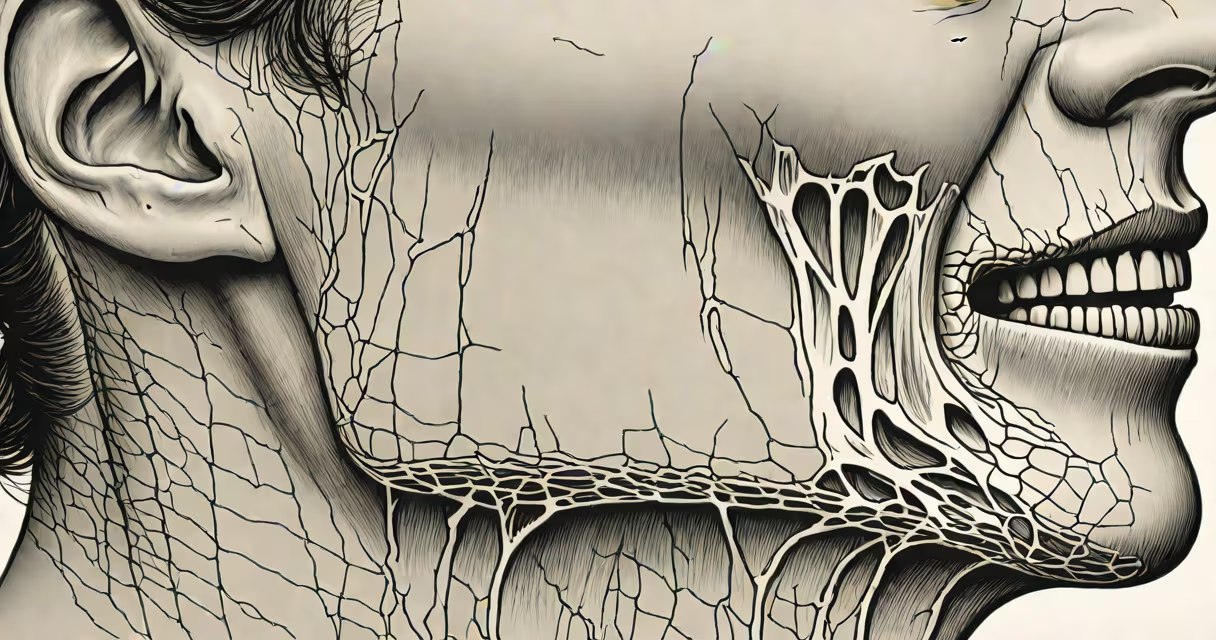
Temporomandibular joint disorder (TMD) results from dysfunction in the jaw joint and surrounding muscles, often triggered by a mix of physical strain, psychological stress, and structural imbalances in the bite or joint anatomy. The condition affects about 12% of adults in the U.S., according to the National Institute of Dental and Craniofacial Research.
TMD arises when the temporomandibular joint-the hinge connecting the jawbone to the skull-fails to function smoothly. This can stem from mechanical issues like disc displacement, muscular hyperactivity, or inflammatory conditions such as osteoarthritis. Symptoms include jaw pain, clicking sounds during chewing, limited mouth opening, and headaches. These signs typically develop gradually and may worsen with stress or repetitive jaw movements.
The disorder is not a single disease but a group of related conditions with overlapping causes. While some cases resolve with conservative care, others require multidisciplinary evaluation involving dentists, oral surgeons, and physical therapists. Early identification of root causes improves outcomes.
How Temporomandibular Joint Disorder Develops
The temporomandibular joint allows the jaw to move in multiple directions-up and down, side to side, and forward and back. When this motion becomes irregular due to internal changes, pain and dysfunction occur. The joint contains a fibrocartilaginous disc that acts as a cushion between the bones. If this disc slips out of position or degenerates, it disrupts movement and generates pain.
One key mechanism involves muscle overuse. Clenching or grinding teeth-known as bruxism-can lead to sustained contraction of the masseter and temporalis muscles. Over time, this causes muscle fatigue, inflammation, and referred pain to the ear, temple, or neck. A 2021 study published in *The Journal of Oral Rehabilitation* found that 68% of patients with chronic TMD reported nocturnal bruxism, often linked to anxiety and sleep disturbances.
Joint degeneration also plays a role. Osteoarthritis and rheumatoid arthritis can erode cartilage in the joint, leading to bone-on-bone contact. MRI scans show that up to 40% of people with long-term TMD have disc displacement, with the most common pattern being anterior displacement without reduction.
Primary Contributing Factors
Several interrelated factors increase the risk of developing TMD. These include biomechanical imbalances, systemic health conditions, and behavioral patterns. Understanding their roles helps clarify why treatment varies widely among individuals.
| Factor | Description | Prevalence/Impact |
|---|---|---|
| Bruxism | Unconscious clenching or grinding of teeth, especially during sleep. | Affects 8-10% of adults; strongly associated with TMD pain and joint noise. |
| Stress and Anxiety | Psychological stress increases muscle tension and triggers jaw clenching. | Patients with high stress scores are 2.3 times more likely to report TMD symptoms (American Academy of Orofacial Pain). |
| Dental Occlusion Issues | Misaligned teeth or uneven bite forces that overload the joint. | While not a direct cause, poor occlusion contributes to muscle imbalance in 30-40% of TMD cases. |
| Arthritis | Inflammatory or degenerative joint diseases affecting the TMJ. | Osteoarthritis accounts for 15-20% of TMD diagnoses in adults over 50. |
| Joint Trauma | Direct injury to the jaw, such as from a fall or whiplash. | History of facial trauma increases TMD risk by 3.5-fold (Journal of Craniomandibular Practice). |
One non-obvious factor is gender. Women are diagnosed with TMD at a rate 2-3 times higher than men, even after adjusting for healthcare-seeking behavior. Hormonal fluctuations, particularly estrogen levels, may influence pain sensitivity and joint laxity, contributing to this disparity.
Another overlooked point: many patients assume TMD is caused solely by a "misaligned jaw." While malocclusion can play a role, research shows that structural alignment alone doesn't predict symptom severity. A 2020 study in *Pain Medicine* found that patients with normal jaw alignment on imaging still experienced significant pain-indicating that central sensitization and psychosocial factors are equally critical.
Common Confusions and Misdiagnoses
Because TMD symptoms mimic other conditions, misdiagnosis is frequent. Jaw pain is often mistaken for dental abscesses, sinus infections, or ear problems. A patient may visit a dentist for toothache, only to find no cavity-yet the pain persists when biting or yawning.
One example: a 34-year-old woman reported persistent left-sided jaw pain and difficulty opening her mouth wide. Initial exams suggested a dental issue. After referral to a craniofacial specialist, MRI revealed posterior disc displacement and muscle hypertrophy. She had no history of trauma or dental work. Her symptoms resolved after six weeks of physical therapy and a custom occlusal splint. This case illustrates that TMD is not always linked to obvious dental or traumatic causes.
Another confusion lies in equating TMD with "TMJ." The term TMJ refers to the joint itself. TMD describes the clinical syndrome of pain and dysfunction. Using them interchangeably leads to misunderstanding-like saying "back pain" equals "spine."
Some patients believe surgery is necessary. In reality, less than 5% of TMD cases require surgical intervention. Most respond well to non-invasive treatments like splints, physical therapy, and cognitive behavioral techniques. The American Association of Oral and Maxillofacial Surgeons states that surgery should be reserved for severe, refractory cases after failed conservative management.
Personal Observation and Clinical Insight
I once observed a patient with chronic TMD who had undergone multiple dental procedures-including crowns and orthodontic adjustments-before finally receiving a correct diagnosis. Her symptoms worsened after each intervention. Upon review, her jaw alignment was within normal limits. The real issue was stress-induced bruxism and heightened pain perception. After starting a daily relaxation routine and wearing a night guard, her pain dropped from 8/10 to 2/10 within four weeks.
This case underscores that treating TMD requires looking beyond the jaw. It demands attention to mental health, sleep quality, and lifestyle habits. The condition rarely stems from a single cause-it emerges from a network of biological, psychological, and environmental inputs.
For those experiencing jaw discomfort, early evaluation by a specialist trained in orofacial pain is essential. Delaying care can lead to chronic pain and joint remodeling. The goal is not to fix the jaw alone, but to restore balanced function across the entire system.
Understanding what causes temporomandibular joint disorder begins with recognizing that it is not a single problem but a constellation of interacting factors. Physical strain, emotional stress, dental alignment, and underlying medical conditions all contribute. Addressing only one aspect often fails. Effective management requires a coordinated approach focused on the whole person, not just the joint.