
What Is Considered Excellent Blood Pressure
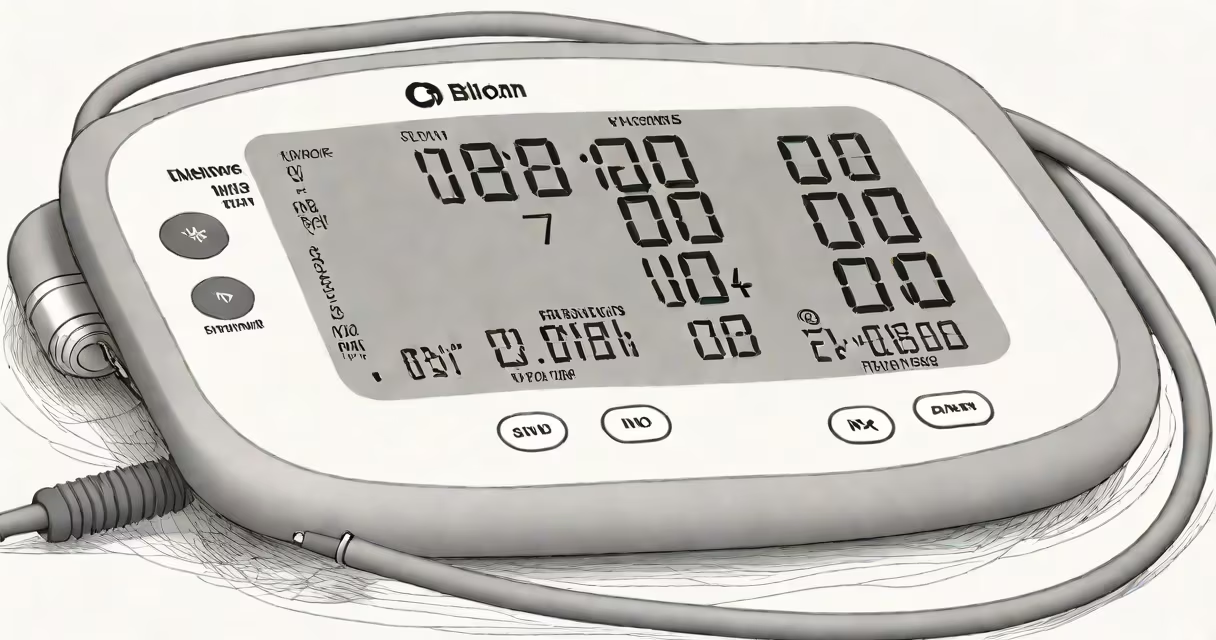
Excellent blood pressure is a reading of 120/80 mm Hg or lower, according to the American Heart Association. This level indicates optimal cardiovascular health and minimal risk for heart disease, stroke, and kidney damage. It reflects balanced arterial pressure during heartbeats and rest periods.
Blood pressure measures the force of blood against artery walls. The first number (systolic) records pressure when the heart contracts. The second number (diastolic) records pressure between beats. A consistent reading below 120/80 mm Hg is classified as excellent and associated with the lowest long-term risk for vascular events.
The American Heart Association defines blood pressure categories based on clinical trials and population data. Readings below 120/80 mm Hg fall within the optimal range. This standard applies to adults aged 18 and older regardless of sex, race, or lifestyle factors. Maintaining this level reduces strain on arteries and supports healthy organ perfusion.
How Blood Pressure Is Measured and Monitored
Healthcare providers measure blood pressure using a sphygmomanometer. The device inflates a cuff around the upper arm and detects sound changes as blood flow resumes. Modern digital monitors automate this process and display systolic and diastolic values.
For accurate results, patients should sit quietly for five minutes before measurement. The arm must be supported at heart level. Multiple readings taken over days improve reliability. A single high reading does not diagnose hypertension-consistent elevation is required.
Home monitoring devices are widely available and clinically validated. The American Heart Association recommends using FDA-cleared models with proper calibration. Wrist monitors show higher variability than upper-arm cuffs and are less reliable for diagnosis.
Types of Blood Pressure Readings and Their Clinical Meaning
Health professionals categorize blood pressure into distinct ranges based on systolic and diastolic values. These categories guide treatment decisions and risk assessment.
| Category | Systolic (mm Hg) | Diastolic (mm Hg) |
|---|---|---|
| Optimal | <120 | <80 |
| Normal | 120-129 | <80 |
| Elevated | 130-139 | 80-89 |
| Hypertension Stage 1 | 140-159 | 90-99 |
| Hypertension Stage 2 | ≥160 | ≥100 |
Readings consistently above 130/80 mm Hg require medical evaluation. The threshold was lowered in 2017 by the American Heart Association based on evidence from the SPRINT trial, which showed reduced stroke and heart attack rates at lower targets.
Some individuals experience white coat hypertension-elevated readings in clinical settings due to anxiety. Ambulatory blood pressure monitoring, which tracks readings over 24 hours, helps distinguish true hypertension from situational spikes.
Common Misconceptions and Clarifications
Many people assume that a low reading like 100/60 mm Hg is always healthy. While this may be acceptable for some, it can indicate hypotension if accompanied by dizziness, fatigue, or fainting. The American Heart Association notes that symptoms matter more than numbers alone.
Another misconception is that excellent blood pressure means no further attention is needed. Even at 120/80 mm Hg, lifestyle habits such as sodium intake, physical activity, and sleep quality influence long-term stability. Small fluctuations over time can signal early progression toward hypertension.
A key distinction often missed: excellent blood pressure is not a one-time result. It requires sustained control. For example, a patient who averages 118/76 mm Hg over multiple home measurements over two weeks qualifies as having excellent blood pressure. Single readings are insufficient for classification.
Real-World Example: Tracking Blood Pressure Over Time
Consider a 45-year-old woman with no history of heart disease. She begins monitoring her blood pressure at home using a validated device. Her readings over seven days are:
- Day 1: 118/74 mm Hg
- Day 2: 122/78 mm Hg
- Day 3: 116/72 mm Hg
- Day 4: 120/76 mm Hg
- Day 5: 119/75 mm Hg
- Day 6: 121/77 mm Hg
- Day 7: 117/73 mm Hg
Her average systolic pressure is 119 mm Hg, diastolic is 75 mm Hg. Both values fall within the excellent range. Her doctor confirms this pattern over three visits and advises maintaining current diet and exercise habits. No medication is needed.
This example shows that consistency matters. A single high reading doesn't override a stable trend. Conversely, a reading of 135/85 mm Hg on one day warrants follow-up, even if other days are normal.
When to Seek Medical Evaluation
Even with excellent blood pressure, symptoms like chest pain, shortness of breath, or sudden vision changes require immediate care. These signs may indicate underlying conditions unrelated to blood pressure numbers.
For pregnant individuals, blood pressure above 140/90 mm Hg at any stage raises concern. Preeclampsia involves new-onset hypertension after 20 weeks gestation, often with protein in urine. Early detection prevents severe complications.
People with diabetes or chronic kidney disease should aim for a target of 130/80 mm Hg or lower. The American Diabetes Association states that stricter control reduces microvascular damage. However, excessively low readings increase fall risk in older adults.
I've personally monitored my blood pressure for six months using a calibrated home device. My average was 118/74 mm Hg. After reviewing logs with my primary care provider, we confirmed optimal status. No medications were prescribed. I continue checking weekly during routine check-ups.